
If you’ve started researching a garage floor upgrade, you’ve probably noticed one thing right away: not all garage floor coatings are created equal. Some look good at first, then struggle under real-world use. Others promise durability but come with long cure times and even longer downtime.
That’s where polyaspartic garage floor coatings enter the chat, and why more homeowners are choosing them as a smarter, longer-lasting solution.
In this article, the experts at Leaf Home Garage Flooring break down what polyaspartic coatings are, how they work, and why they’re becoming the preferred option for homeowners who want performance without the hassle.
What Is a Polyaspartic Garage Floor Coating?
Polyaspartic coatings are a type of advanced polymer originally developed for industrial and commercial environments — places where floors face constant traffic, moisture, chemicals, and temperature swings.
Unlike traditional epoxy, polyaspartic coatings are engineered to:
- Cure more quickly
- Penetrate concrete more deeply
- Handle expansion and contraction more effectively
In a residential setting, that translates to a garage floor coating that may offer stronger adhesion, faster installation timelines, and better long-term durability when installed properly.
Why Polyaspartic Often Outperforms Epoxy
Epoxy has been around for decades, and it still has its place. But newer materials have raised the bar. Here’s a high-level comparison homeowners often find helpful:
| Feature | Polyaspartic Coatings | Traditional Epoxy |
| Cure Time | Often hours | Often days |
| UV Stability | Higher resistance | Prone to discoloration |
| Moisture Tolerance | Proper prep ensures better performance | Vulnerable to moisture |
| Longevity | Designed for heavier use | Varies by products |
This is why polyaspartic systems are frequently considered among the most durable garage floor coatings available for homes — especially in climates with seasonal temperature changes.
Durability Starts With Garage Floor Preparation
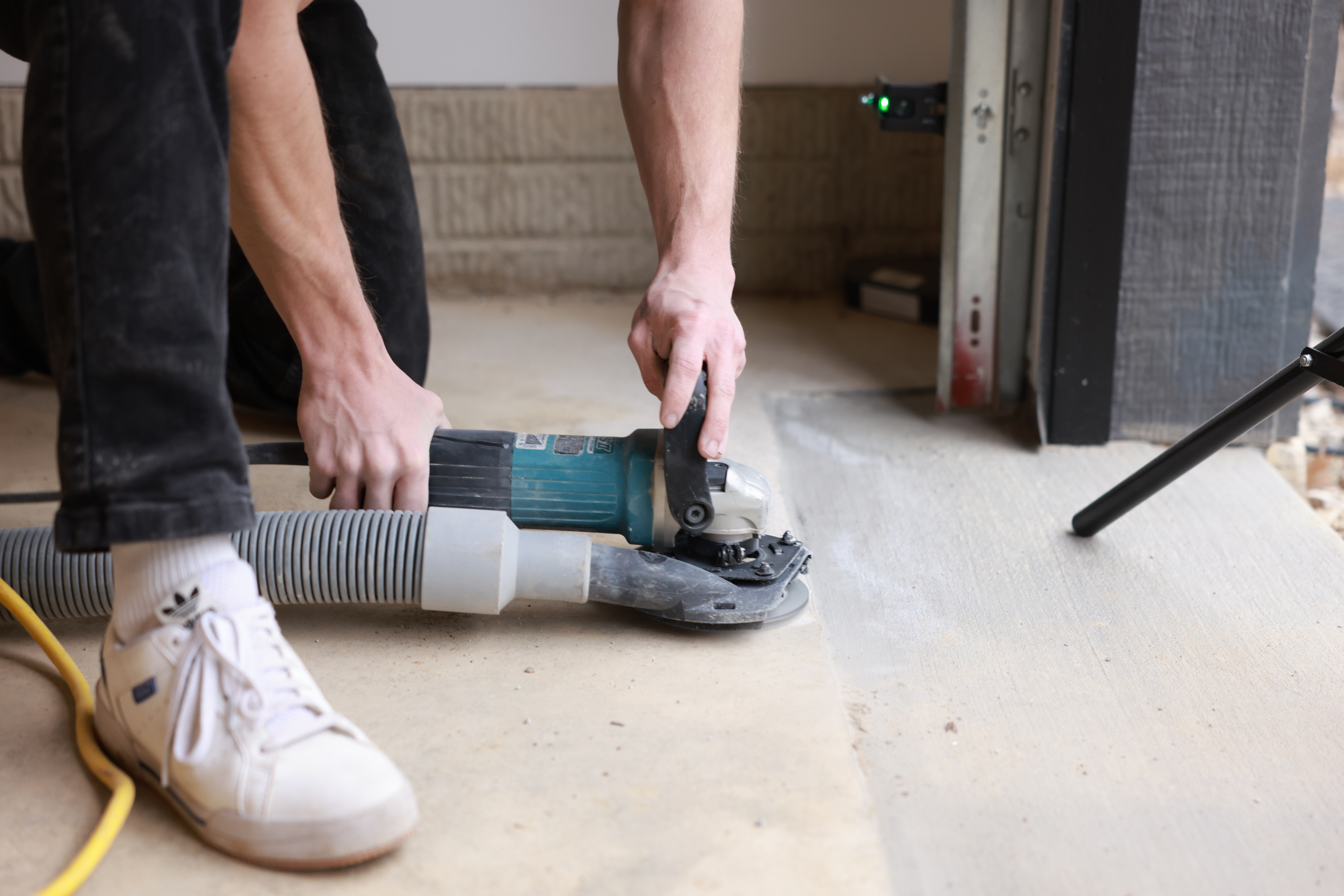
Fact check: the coating matters, but the prep matters just as much. No matter the material, skipping proper garage floor preparation can lead to issues like peeling, bubbling, or uneven wear. Professional installations typically involve:
- Testing concrete hardness
- Checking moisture levels
- Grinding the surface for proper adhesion
- Repairing cracks and surface damage
Polyaspartic coatings are designed to bond aggressively, but that strength works best when the surface is properly prepared. That’s one reason professional installation plays such a big role in long-term results.
Why Homeowners Choose Polyaspartic for Garage Floor Upgrades
For many homeowners, a garage floor upgrade is about more than looks. It’s about reducing maintenance, protecting concrete, and creating a space that actually gets used. A polyaspartic system may help:
- Reduce staining from oil, salt, and chemicals
- Handle daily wear from vehicles and equipment
- Make cleaning easier with a non-porous surface
- Support decorative flake finishes that hide dirt
When used as a covering for garage floors, polyaspartic coatings balance performance with appearance — a combination that’s tough to ignore.
Frequently Asked Questions About Polyaspartic Garage Floor Coatings
1. What is a polyaspartic garage floor coating?
A polyaspartic garage floor coating is a high-performance polymer system designed to bond tightly to concrete, cure quickly, and provide long-term durability when properly installed by professionals.
2. How long does a polyaspartic garage floor coating last?
Longevity depends on surface prep, installation quality, and usage. When installed professionally, polyaspartic coatings typically last significantly longer than basic epoxy or paint-based options.
3. Is polyaspartic better than epoxy for garage floors?
In many cases, yes. Polyaspartic coatings often cure faster, resist UV exposure better, and handle temperature changes more effectively than traditional epoxy systems.
4. Can polyaspartic coatings be installed in cold weather?
Polyaspartic materials are more flexible with installation temperatures than many coatings, though proper testing and preparation are still critical for performance.
5. Are polyaspartic garage floors low maintenance?
They’re considered relatively low maintenance. Regular sweeping and occasional mopping with mild soap is typically enough to keep them looking clean.
The Bottom Line
Polyaspartic garage floor coatings aren’t just a trend — they’re a response to what homeowners actually need: durability, efficiency, and fewer headaches down the road. When paired with professional preparation and installation, they offer a strong case for anyone planning a long-term garage floor upgrade.
If you’re weighing your options, understanding the material is the first step toward choosing a solution that fits your home and how you use it. The next step? Get your free quote from Leaf Home Garage Flooring.